

Choosing a Small Frost Free Fridge Freezer
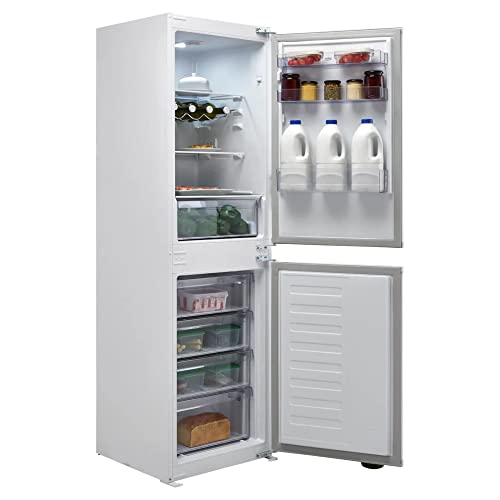
Frost can encase and accumulate in a refrigerator which means there is less room for food items. It also covers temperature sensors and vents forcing the freezer to work more.
Keep the humidity low, closing the freezer door securely and avoiding frequent openings are all crucial steps to avoid frost. However, these steps aren't always enough.
The following are some examples of
Frost-free freezers prevent the build-up of frost within the interior which eliminates the need to manually defrost. This is achieved by using a thermostat as well as heating coils to warm the coils periodically, melting any ice. This method requires more energy and can lead to tiny temperature fluctuations. However, it is an alternative to manual defrosting.
If you have a fridge with no frost and you are experiencing problems with it the first thing you should examine is if there is any ice accumulating over and below the evaporator. This could be a sign of a problem with the heating system. It is recommended to trace the wire from the heater to the evaporator, and return to the plug that is behind the fan.
Certain manufacturers might advise you to contact them directly regarding this fault, as it may require a modification to your appliance. You can also browse the internet for solutions to this issue. You can also refer to your manufacturer's user manual for advice.
Many of our freezers and refrigerators are available in a variety of sizes, including mini-frost free fridge freezer models. There is also an upright freezer if want something smaller. A majority of these freezers are designed to be easy to use, with features such as the front door being transparent and an uncluttered display. These are also energy efficient, having an Energy Rating of 4 stars. They are backed by a one-year warranty.
We also carry a wide range of kitchen appliances including toasters and microwaves. Contact our home appliance experts if you're unsure of the type of appliance that you need.
If you're shopping for an affordable frost-free fridge freezer, consider our extensive selection of products from top brands like Beko. These fashionable freezers are available in a wide variety of colors and finishes and are made of high-quality materials to ensure durability. We also offer freezers that are ENERGY STAR (r) certified, which means that you can lower your energy costs and keep your food and drinks cool.
Size
When selecting a small frost-free fridge freezer, it is important to think about the space you have available. They are generally slimmer than traditional refrigerators so take up less floor space. This doesn't affect the capacity of storage. They can be used to store up to 11-13 cubic feet. They are also small, making them ideal for apartments, dorms kitchens or breakrooms in offices.
Find out more about fridge freezer sizes & dimensions to find the perfect option to your needs. Also, check out our guide to defrosting a fridge freezer to understand the process better. Think about an automatic defrost Mini Refrigerator to enjoy a hassle-free experience.
Energy Efficiency
Small appliances can use a significant amount of electricity, but efficient fridge freezers cut down on the use of energy without sacrificing performance. They use less energy than window AC units and conventional refrigerators, saving you money on electric costs. In fact, some models consume just an insignificant 0.356 kWh of electricity per day. Additionally, their small size makes them ideal for a variety of environments. A 1.6 cubic foot apartment-sized fridge can easily be placed in dorms, offices or apartments, while using the least amount of energy.
When buying a small frost-free fridge freezer, be sure to consider the appliance's efficiency rating and energy-saving features to maximize your cost savings. ENERGY STAR certified models meet stringent energy efficiency requirements, which means that they consume less energy than standard models. Inverter technology dual cooling zones and other advanced features optimize energy consumption by altering the cooling levels to meet needs. In addition doors that are insulated and designed with high-quality seals prevent cold air from leaking. Energy-efficient LED lighting consumes less electricity and lasts longer than traditional bulbs. Additionally, automatic defrost systems eliminate the need to manually defrost and reduce time, while also cutting down on energy consumption.
A refrigerator that utilizes eco-friendly coolants is a different method to save energy. These do not harm the ozone layer and reduce greenhouse gas emissions, making them better for the environment. In addition, eco-friendly fridges are made of recycled materials, which help to reduce waste and help conserve resources.
It is crucial to take into account the reputation and track record of the company when choosing a compact refrigerator. A reputable brand is more likely to produce top-quality appliances that are robust and reliable. In addition, reading reviews and expert ratings will help you choose the right model to meet your needs. Once you purchase your refrigerator, take care of it regularly to ensure its effectiveness and extend its life. For instance, clean it regularly, check for proper food storage, and limit door openings to ensure that the refrigerator is cooling properly. Do not overfill your fridge to prevent it from working overtime. These simple maintenance tasks will help to preserve the efficiency of your compact refrigerator.
Maintenance
Some models of fridge freezers may have a small opening underneath the crisper drawers or near the bottom of the freezer compartment. Frydge is typically used to allow the water that has been melted during the defrost process to flow down into a drain pan under the freezer. If the opening gets blocked, the water will build up beneath the shelves and drawers of the freezer. It will eventually fall onto the floor in front of the door of the refrigerator. If this happens then we suggest that you contact your refrigerator's manufacturer or a factory authorized technician to see if any design changes could be made to prevent this from occurring.
Every few months, it is recommended to clean your refrigerator's freezer and refrigerator using hot soapy water or a non-abrasive cleaning product. This helps to prevent food residues and odors from building up. You should also leave a little space between the food in your freezer to avoid over-packing. The freezer will be less efficient in circulating air if it's overcrowded. This will also raise your energy costs.
If you notice that there is a forming of frost in the back of your freezer then we would recommend that you remove all frozen food packages that touch or are resting against the back freezer wall. They could block airflow, which is essential for the evaporator to work effectively.
A faulty seal can let cold air escape and reduce the efficiency of your fridge, as well as increasing the energy consumption. To test your freezer's seal close the door and stick a strip of paper (a dollar bill is ideal) halfway inside. If the seal breaks easily, it is not as strong as it should be and will need to be replaced.
Ice formation around the front edges and even the doors of freezers in newer top-freezer designs is a common issue. This can happen because of a design flaw that causes the main refrigeration system to off-load heat into these areas of the cabinet even when it is in operation.